Vienna Souvenirs | 13 Authentic Gifts, Budget & Where to Buy
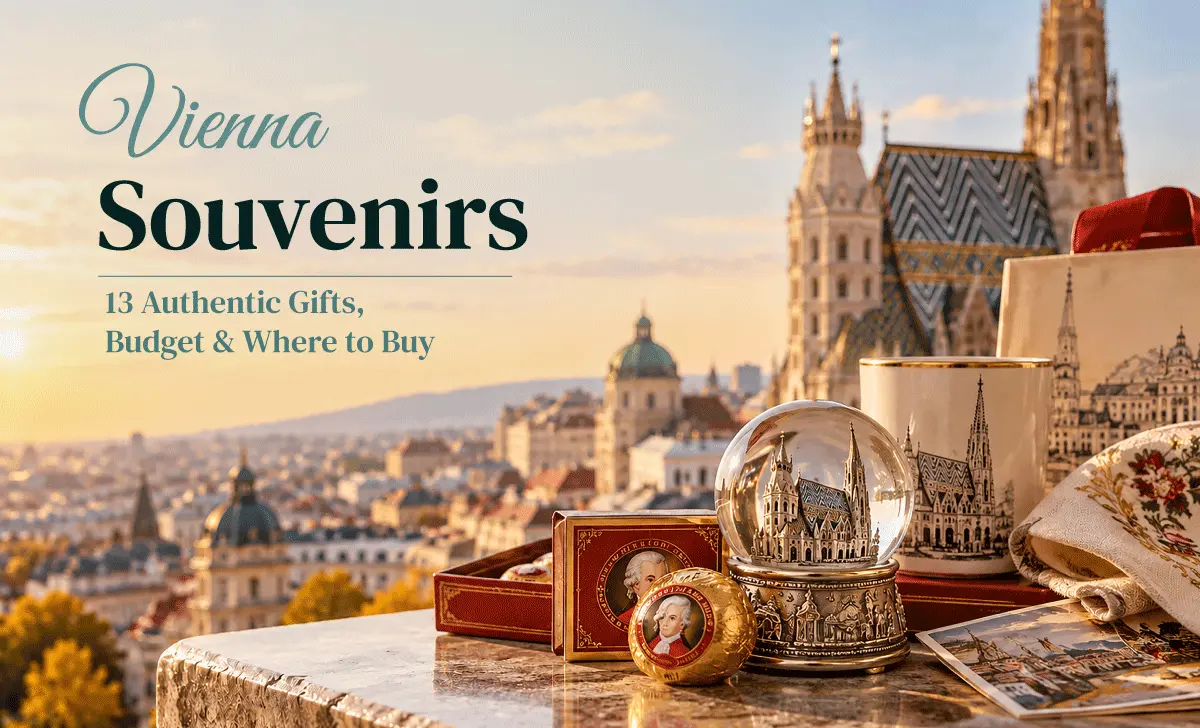
Vienna does not do Austria souvenirs, like other cities.
Here, one family has kept one cake recipe since 1832, the porcelain painters keep working from 300 patterns, and the bakery is still at work to create the snow globe they discovered by chance. That’s not reflected on the plastic fridge magnets arrayed outside of St. Stephen’s Cathedral.
It’s not necessarily a choice between inexpensive and forgettable, or beautiful and over-expensive.
The options range from a €3 bag of wafers at Vienna’s corner supermarket to a hand-painted teacup that costs as much as a night’s stay at a Vienna hotel. The key is to find out which is which, which normally means walking down a few streets from the souvenir kiosks to where Viennese people do their shopping.
What to Buy in Vienna: 13 Authentic Vienna Souvenirs
While there can’t be just a handful of the “best souvenirs from Vienna,” these are things that can be described as particularly Viennese:
- This “Original Sacher-Torte”, or “Demel’s” version, has been made in a wooden box.
- Hand-painted Augarten porcelain
- A genuine Perzy-made snow globe
These three things Vienna actually invented or perfected, rather than items sold across all of Austria.
Explore what to buy in Vienna as a souvenir.
Edible & Culinary Vienna Souvenirs
#1: Original Sachertorte (or Demel’s Version)
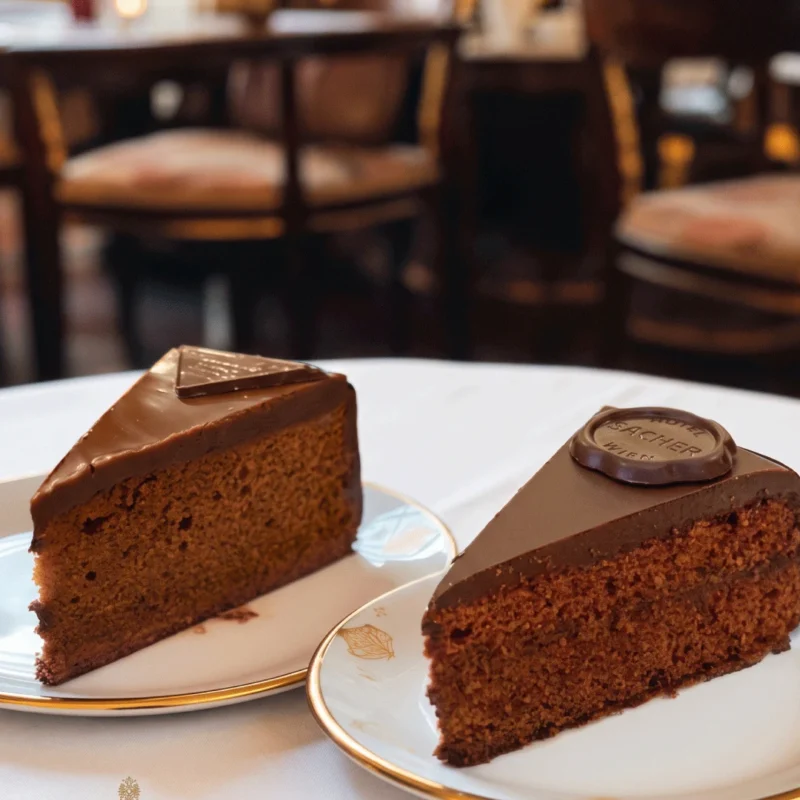
Originally invented in 1832 and packed in its famous wooden box with shiny brass corners, the “Original Sacher-Torte” trademarked at Café Sacher in Philharmonikerstraße, across from the Vienna State Opera, is a Viennese specialty.
The “Demel-Sachertorte”, which is denser than its own version, is sold at K. Demel on Kohlmarkt as its own pastry chef since 1786. It is left in the box for about a week without refrigeration. Budget: €5-6 a slice. Splurge: €45-55+ for a small whole cake.
#2: Mozartkugeln
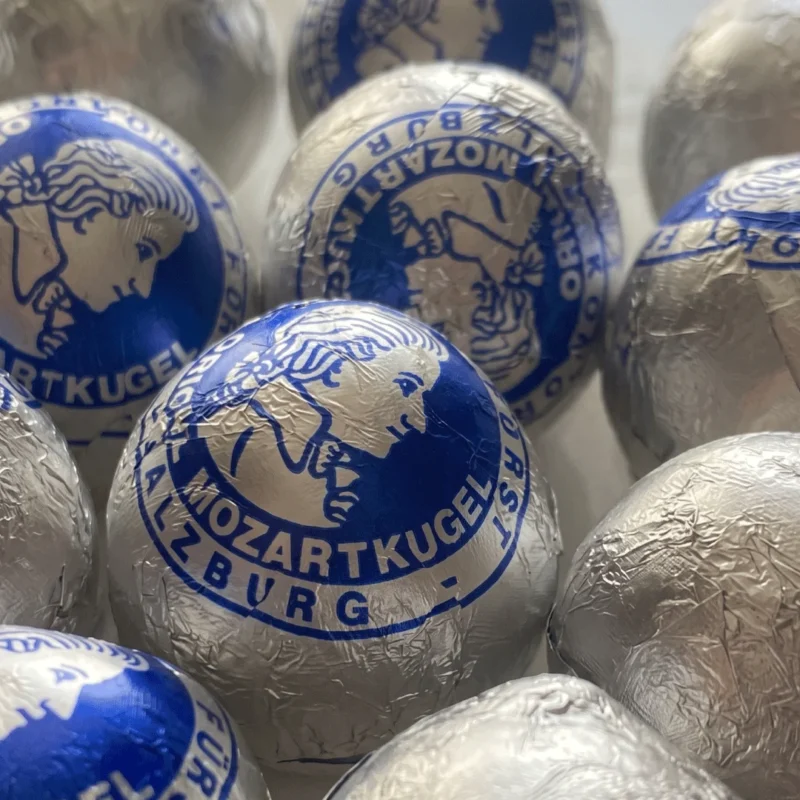
Don’t get us wrong; it’s not Vienna, but invented by confectioner Paul Fürst in 1890 in Salzburg! Vienna offers plenty anyway: look out for the true original Fürst and the cheaper-to-pricier Reber (elastic German brand right over the border) brands, or mass-market Mirabell, for which production has moved out of Austria, anyway, as now. Skip the Austria souvenirs stall boxes; the identical chocolates cost roughly half at Billa or Spar.
#3: Manner Wafers (Neapolitaner)
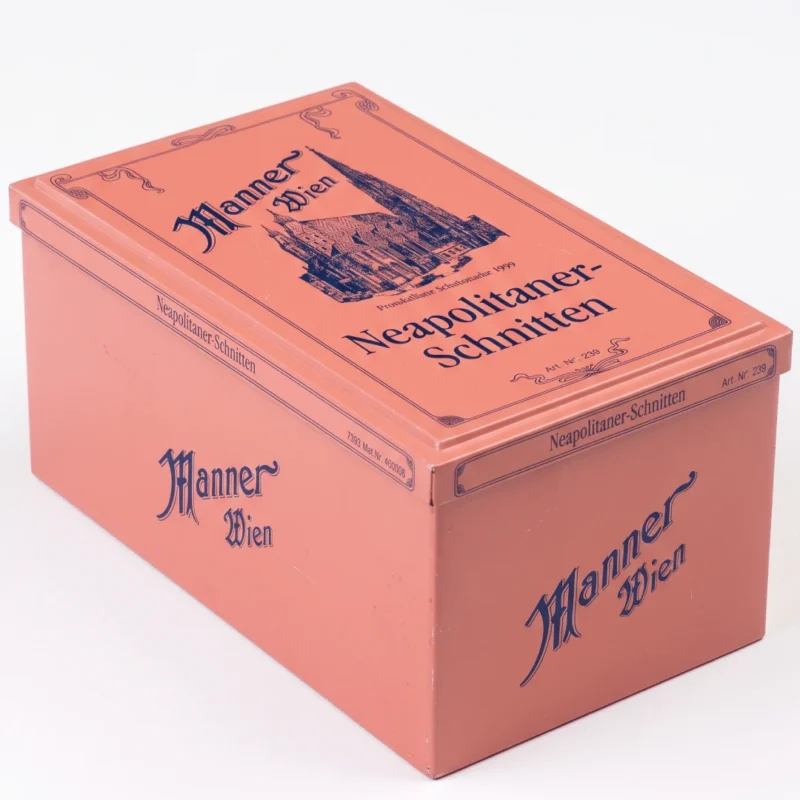
Vienna’s own ‘pink-wrapped’ wafer. This head office store is the original house of Manner, positioned on Stephansplatz where it was built in the 19th century; it is the only brand now given permission to print the image of St. Stephen’s Cathedral on its wrapper, in exchange for the funding of a salary for a stonemason at the cathedral.
The cost of a supermarket-specific pack is around two euros; there’s the flagship, a day-long pack (10:00-21:00), to which tins and brand products are now added.
#4: Viennese Coffee
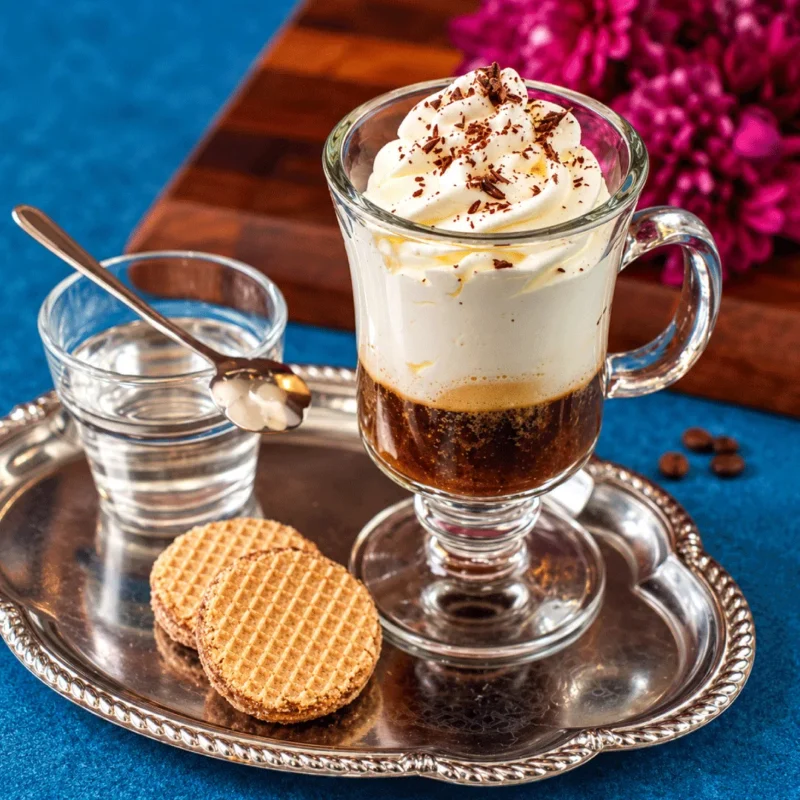
Roasting since 1862, Julius Meinl beans bearing the creatively designed red-and-white “Moor” logo are sold at the five-storey flagship at Graben 19. If that’s too big, there is always Alt Wien Kaffee, a family roastery near the hand-roasted Naschmarkt, which has a number of single blends available and has been roasting these in small batches since 2000. Or performs like a filter-coffee sachet. Budget: €6-10. Specialty blend: €12-18.
#5: Styrian Pumpkin Seed Oil (Kürbiskernöl)
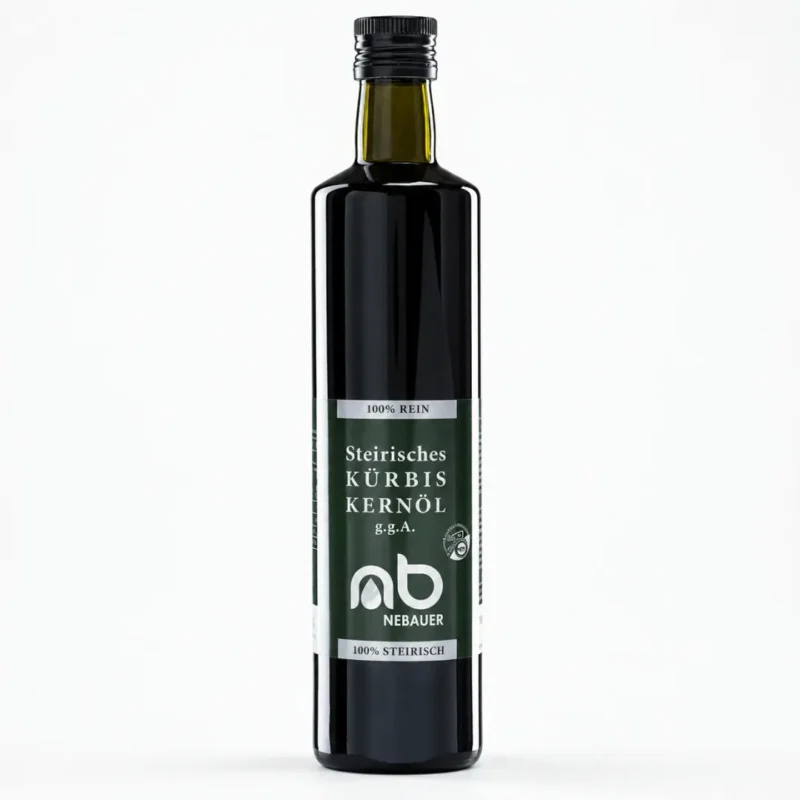
Oil from roasted Styrian pumpkin seeds is a product of local quality; it is drizzled on; it is rarely cooked in but sprinkled over, especially on potato salad or vanilla ice cream; this is the “green gold” of Austria. It costs €10-15 for a small bottle from a bread stall at the Naschmarkt and more at a gourmet shop, brought directly from the farm.
#6: Austrian Wine, Schnapps & Mozart Liqueur
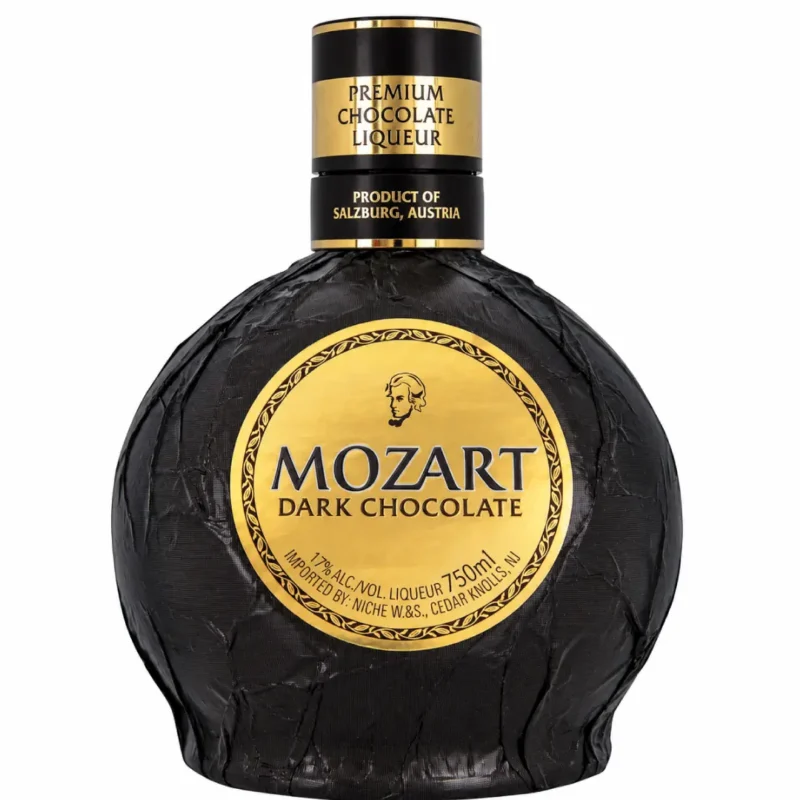
In Vienna, there are even still vineyards within the city itself. In addition to Grüner Veltliner and the Wiener Gemischter Satz, a blend of different varieties that is the heyday of the local sector, these are also products with special regional qualities produced by local winegrowers such as Wiener Gemischter Satz Mayer am Pfarrplatz (Döbling, a city near Vienna where Beethoven spent his teenage years).
If you want something stronger, try apricot Marillenschnaps or the alcohol based on chocolate, Mozart Liqueur. Common bottles start to cost €10-18, with single-vineyard wines beginning to climb in price above €30.
#7: Zotter Chocolate & Altmann & Kühne
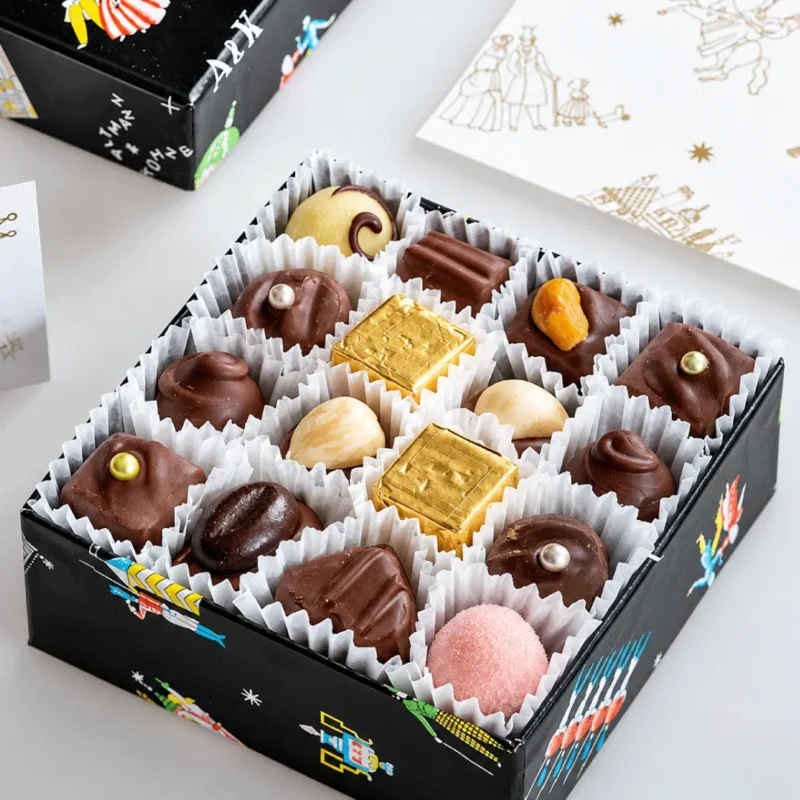
You can find Zotter chocolates at the Schoko Company stall, inside the Naschmarkt in Vienna, which is a Chocolatier who produces bean-to-bar chocolate – one of the few remaining producers worldwide.
If it wants something imperial, Altmann & Kühne on Graben has provided the answer for more than a century now, filling its little “Liliput” pralines into minuscule drawer-chests, following the old Wiener Werkstätte style. Zotter bars: €4-6. An Altmann & Kühne mini chest: €15-40.
Crafts, Keepsakes & Luxury
#8: Original Vienna Snow Globe
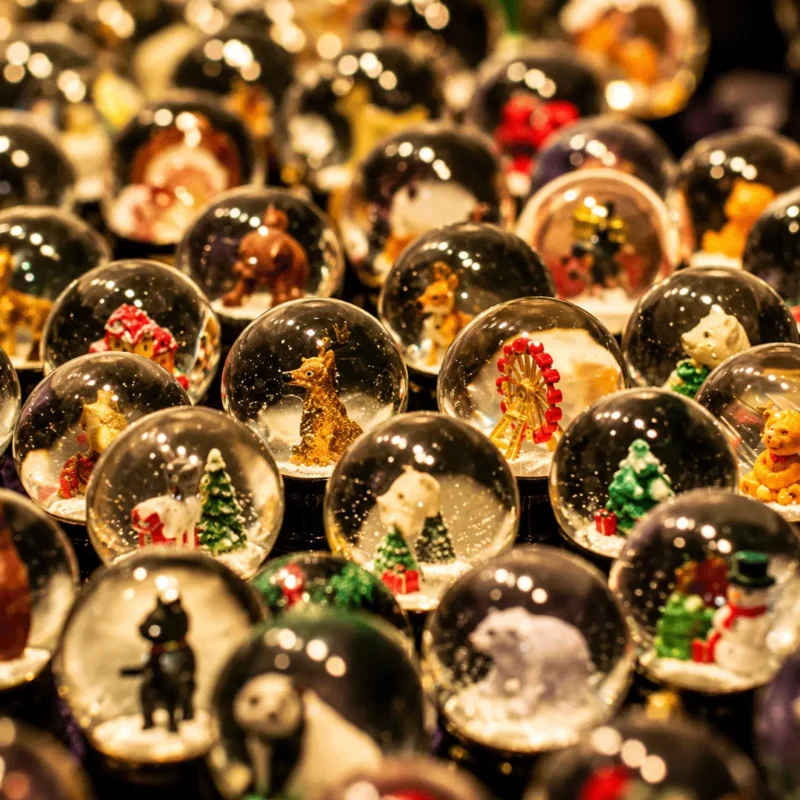
Erwin Perzy discovered the effect in 1900 while working with surgical lamps; the big day, around 300,000, in the manufactory-museum in Hernals (Schumanngasse 87) is still there every year in Perzy’s family. A decent piece has the Perzy name inscribed on its base. Souvenir-shop versions: €10-20. Museum-bought originals: €25-70+.
#9: Augarten Porcelain
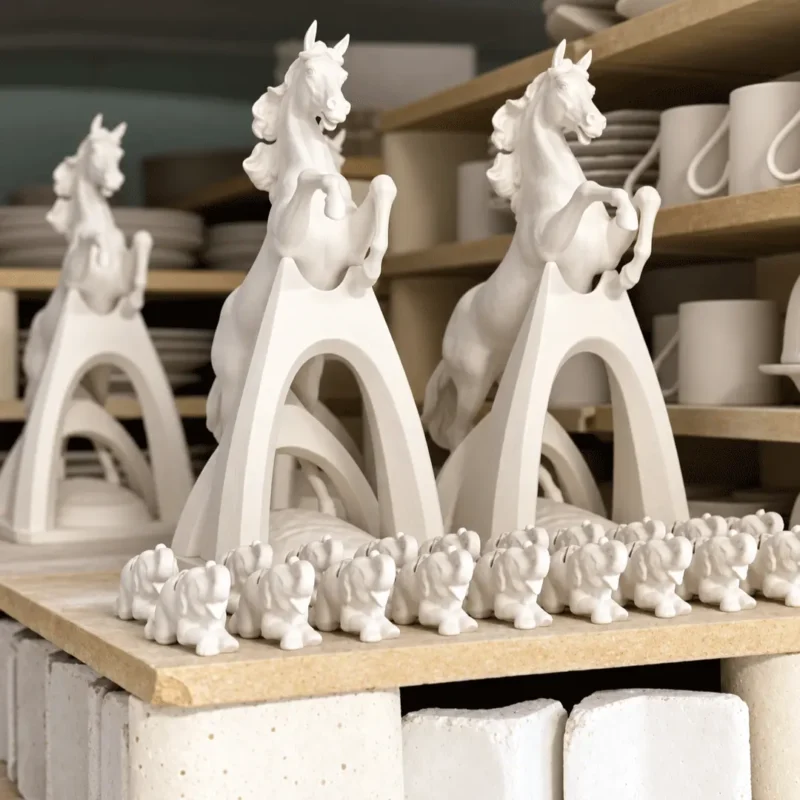
Vienna’s own porcelain tradition was established already in 1718 and is one of the oldest in all Europe. In the GDA section of the venue, hand-painted pieces are still produced – sometimes for the Augarten park manufactory, which also offers tours. Each place setting is about €40-60, and up to hundreds of pieces for a full place setting with hand painting.
#10: Swarovski Crystal
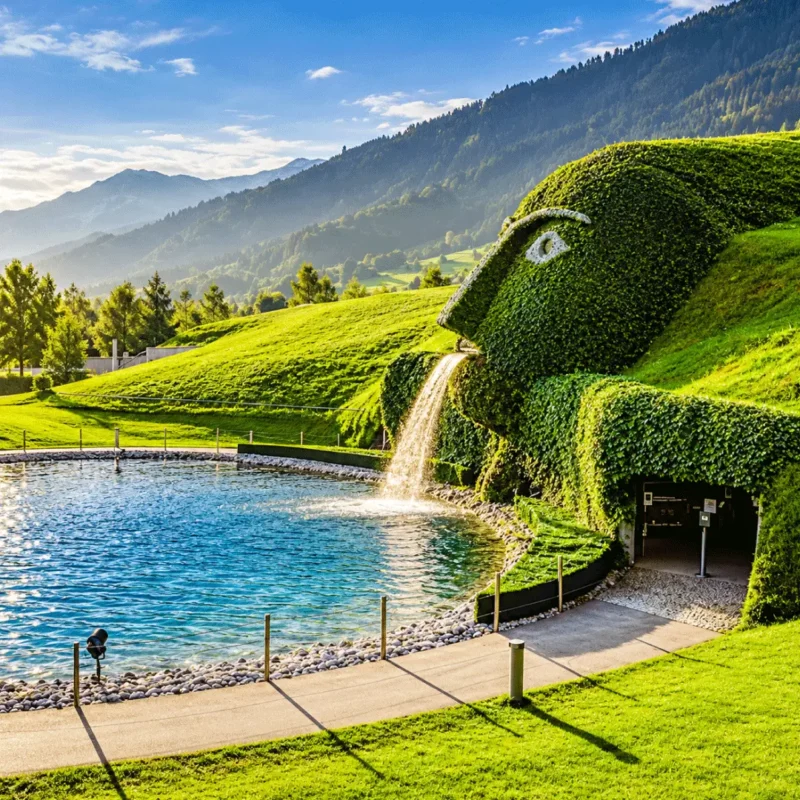
The workshops are not located in Vienna but in Tyrol; nevertheless, the three-storey Kärntner Straße flagship is worth a look just for the size of it. The crystal pendant begins at € 40- € 60 per piece, while figurines and sets of jewellery start at more than €200.
#11. Freywille Enamel Jewelry
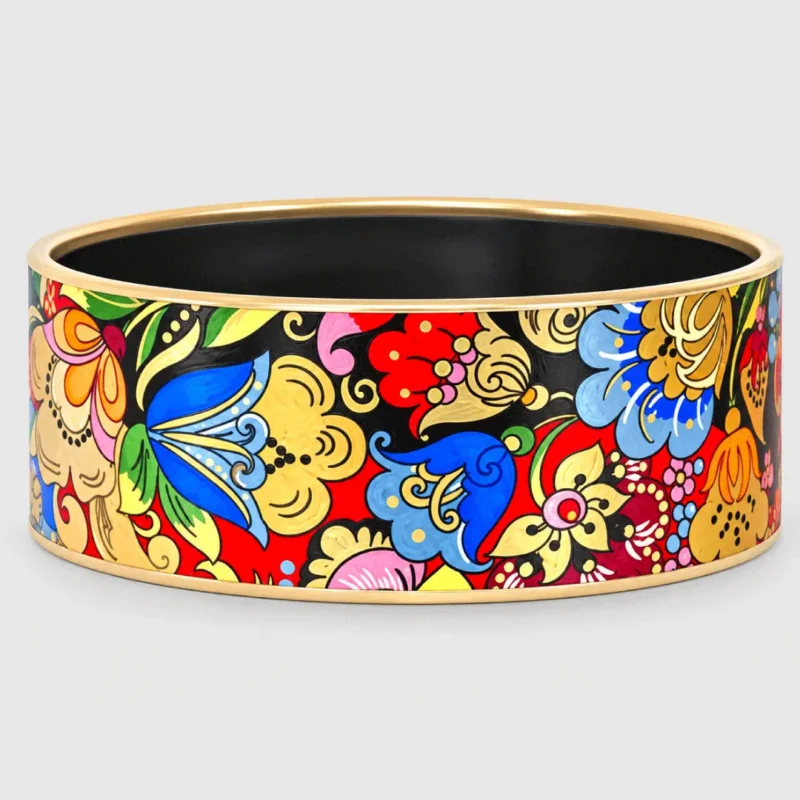
Fire enamel jewelry from Freywille was set up in Vienna in 1951 and reproduces details of Klimt and other Austrian artists on rings, bangles and pins. Stephansplatz 5 is the location of the flagship. Joel Stange: Pieces begin at about €100-150 and can easily reach into the four-figure mark in the area of statement pieces.
#12: Traditional Austrian Clothing (Tracht)
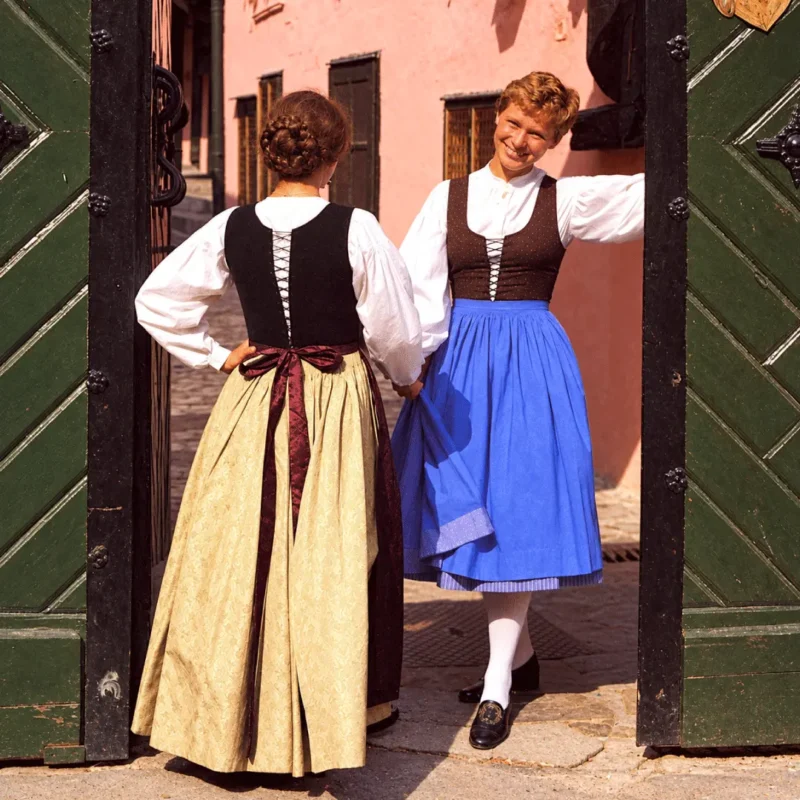
A special-order dirndl or lederhosen is a significant investment, which, depending on the shop, comes to a total of €200-600, or higher. It scales decently, though: A boiled-wool Loden vest, a trachten-like scarf, or a small dirndl-dressed teddy bear conveys it for €25-70, excluding tailoring charges.
#13: Viennese Art Prints & Museum Shop Finds
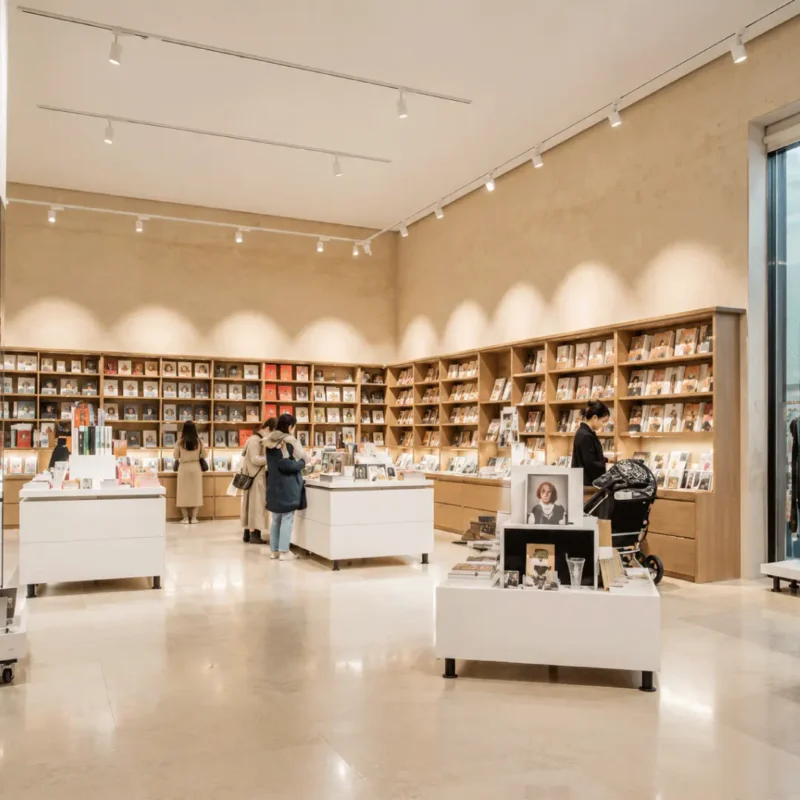
Klimt’s The Kiss and Egon Schiele’s portraits are Vienna’s most-reproduced, and most-faked, images. A print bought at the Belvedere or Albertina museum shop, where the originals actually hang, is properly licensed; the identical-looking poster at a generic “Klimt store” souvenir shop usually isn’t. Posters: €10-25. Museum-edition prints: €50-150+.
| Local Souvenirs | Budget | Mid-Range | Luxury |
| Mozartkugeln | €6-9 (supermarket) | €12-15 (Fürst/Reber box) | – |
| Coffee | €6-10 (supermarket bag) | €12-18 (Julius Meinl/Alt Wien) | – |
| Sachertorte | €5-6 (café slice) | €45-55 (small whole cake) | €80+ (larger cake) |
| Snow globe | €10-20 (souvenir shop) | €25-45 (small Perzy original) | €70+ (large Perzy piece) |
| Porcelain | – | €40-60 (single Augarten cup) | €200-400+ (place setting) |
| Jewelry | €20-40 (enamel/porcelain ring) | €100-150 (Freywille piece) | €250+ (statement piece) |
The Secret to Cheap Shopping in Vienna
Not in a souvenir shop, but in a supermarket. Billa and Spar/Interspar are Austria’s two large, dominant shopping chains, with over 2,000 stores combined; they carry all the Manner wafers, the Mozartkugeln, and Julius Meinl coffees, each priced at a whopping nearly half the price in the vicinity of the landmarks.
You’re getting a truly Austrian care item with this small but delicious bottle of Styrian pumpkin seed oil, as well as this jar of apricot jam, for a generous €25. The branches in the City centre will generally open around 07:00 and close at 20:00 (usually closed on Sundays), which is a convenient time for sightseeing.
Best Shopping Streets & Districts for Local Souvenirs
- Kärntner Straße: From the State Opera to St. Stephen’s Cathedral, it’s packed with big international names as well as the Swarovski flagship, busy and, well, pretty much a middle-of-the-road indicator as far as mainstream prices go.
- Graben and Kohlmarkt: The old houses are concentrated around the pedestrian streets stretching from the cathedral to the Hofburg; there are the jewelers who supplied the imperial court, Altmann & Kühne, Demel and Julius Meinl am Graben—auction at Vienna’s highest rates, but also its most authentic craftsmanship.
- Mariahilfer Straße: (“Mahü” to locals), running out toward Westbahnhof, is Austria’s longest shopping street and its most budget-friendly, with department stores, high-street chains, and side-street boutiques rather than heritage names.
- The Naschmarkt: This is Vienna’s largest market, where the Schoko Company sells Zotter chocolate and Alt Wien Kaffee roasts its beans, alongside 100-plus stalls of produce and spice. A Saturday-morning flea market takes over the Kettenbrückengasse end.
All four are within walking distance of one another, and are covered by a stroll around Vienna Old town.Our Vienna private tours of the historic centre follows, so these should fall into a sightseeing walk rather than into an afternoon of souvenirs.
A city sightseeing tour in an electro vintage car in Vienna with Libra Tours offers a distinctive way to see landmarks such as the Hofburg and Rathaus. If you’re comparing the best tours in Vienna, consider a private sightseeing experience that lets you discover the city’s highlights at a comfortable pace.
How to Avoid Tourist Traps?
Check for a maker’s name rather than a generic label:
- Perzy on a snow globe
- An Augarten stamp on porcelain
- Fürst or Reber on Mozartkugeln
A kiosk selling twenty different “Austrian specialties” from one small counter beside a major landmark is a red flag; a shop that does one thing well usually isn’t. And if a price looks suspiciously low next to what the actual manufacturer charges, it’s probably an import wearing an Austrian label.
Packing Tips for Viennese Local Souvenirs
A boxed Sachertorte is not a liquid, but solid and thus won’t pour out easily when it’s time to take it on the plane and should last for about a week if not refrigerated, so make it last to the last night of the trip, not the first.
The liquids include wine, schnapps, and pumpkin seed oil: anything larger than 100ml must be wrapped and packed in the centre of the suitcase in an upright position, and be carried in checked luggage. If the duty-free bottle has been purchased after security at the airport, they are not scanned and can be carried in the cabin.
Always place these porcelain or glass snow globes in a checked bag, in some sort of packing, preferably a rolled sweater, or request the shop to use extra bubble wrap.
Food and alcohol restrictions are from country to country, so be sure to know the restrictions of your country if you do decide to fly. Strictly speaking, sealed chocolates and packaged sweets seldom are the problem, but the dairy, the meat and larger amounts of alcohol will do.
Frequently Asked Questions (FAQs)
Q: What is the most famous souvenir from Austria?
A: By most standards, its “original” recipe is not Viennese, but rather from Salzburg; Mozartkugeln is. Locals would add Augarten porcelain and the Original Sacher-Torte to the list of items definitely of their own choosing in Vienna.
Q: Where is the best place to buy souvenirs in Vienna?
A: Deals on souvenirs. Generally, the approach of the supermarket (Billa, Spar) is then excellent on price for edible gifts, Graben for porcelain and jewelry, and Naschmarkt for local food specialties such as chocolate or pumpkin seed oil.
Q: Are Vienna snow globes authentic?
A: The only time they appear on the base is if produced by the Perzy family; otherwise, they are only from their manufactory-museum in Hernals. Kiosks in close proximity to (and resembling) big landmarks generally carry so-called plastic look-alikes, which in turn are typically imported rather than produced in-house by Perzy.
Q: Can I take Sachertorte home on a plane?
A: Yes. It comes in a solid wooden box, is good to travel with as a carry-on item, and will last about a week at ambient temperature (if you purchase it in the last week of your vacation).
Q: How much do souvenirs cost in Vienna?
A: From €3 bags of wafer-thin sweets to four-figure enamel jewelry! This is the foodstuff category, and the value of most real Austrian edible souvenirs is about €5-20; craftware, porcelain, or a small snow globe, about €25-70, and luxury items start at about €100 and go up.
Q: Are supermarket souvenirs worth it in Vienna?
A: Very much so. A Billa or Spar will sell identical Mozartkugeln, Manner wafers, or Julius Meinl coffee at the landmarks, about half the price, for instance.